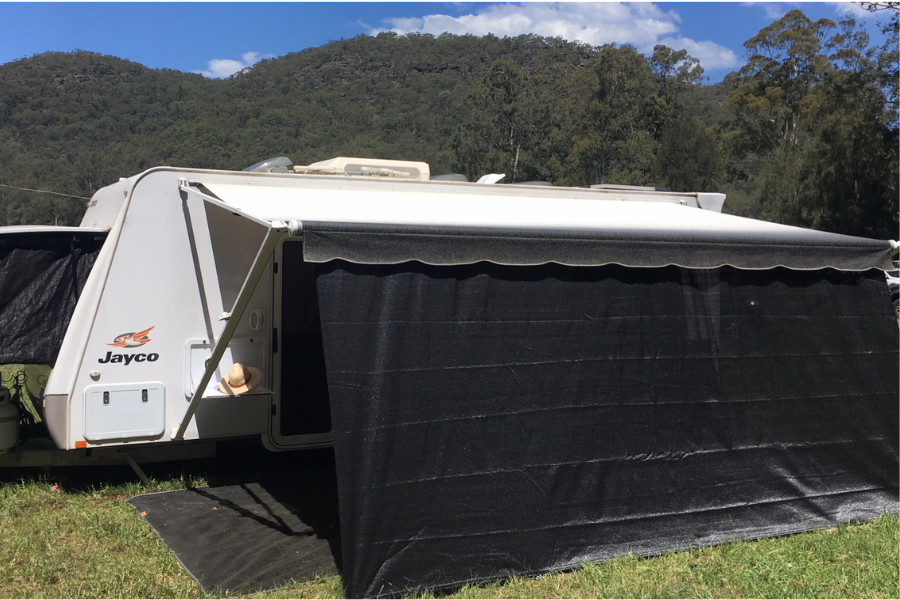
A damaged awning can quickly turn a relaxing setup into a hassle. Whether it is a small tear from windy conditions or a loose arm after a long trip, catching problems early makes a big difference. The good news is that many common caravan awning issues can be repaired without replacing the entire unit. This guide walks you through practical repair steps so you can protect your awning, extend its life, and avoid bigger costs later.
Before attempting any repair, take a few minutes to properly inspect your awning. Rushing straight into a fix without understanding the cause can lead to repeated damage or temporary solutions that do not last. Look closely at both the fabric and the hardware. Open the awning fully so you can see how it sits under tension and check the roller, arms and mounting points. Common issues include:
Once you understand what has happened, you can choose the right repair approach.
Fabric damage is one of the most common caravan awning repairs. Small tears can happen from branches, strong wind, or general wear over time. The key is to repair them early before they grow larger under tension. For minor tears or pin holes, a simple repair kit is often enough.
For larger tears, you may need a fabric patch kit or professional repair service. Temporary fixes can get you through a trip, but permanent repairs provide better durability in windy conditions.
If your awning looks loose or uneven, the issue is often tension rather than damage. Fabric that sags can collect water, strain seams and cause unnecessary stress on the arms.
If sagging continues, adding caravan rafters or an anti flap kit can provide additional support across the span. These accessories help stabilise the fabric and reduce movement in windy weather.
Awning arms handle a lot of load, especially in gusty conditions. Over time, bolts can loosen or components may bend slightly, affecting how smoothly the awning operates.
Often a simple tightening of hardware solves the problem. If an arm is visibly bent or damaged, replacement is usually safer than attempting to straighten it. Structural parts need to remain strong to support the awning safely.
Water pooling weakens awning fabric and can lead to stretching or seam damage. Even a small amount of standing water adds significant weight. To prevent pooling:
If your awning has already stretched slightly, improving support and maintaining correct pitch will help prevent further damage.
Mounting brackets and fittings connect your awning to the caravan wall. If these loosen over time, the entire structure can shift or feel unstable. Carefully inspect:
Tighten screws evenly and avoid overtightening, which can crack fittings. If plastic components are brittle or damaged, replacing them promptly prevents larger structural issues later.
Regular maintenance reduces the need for repairs in the first place. Dirt buildup, salt spray and UV exposure all contribute to fabric wear over time. Make it part of your routine to:
Small checks after each trip help you spot issues before they become major repairs.
Some repairs go beyond basic maintenance. If you notice structural damage to the roller tube, major wall mounting issues, or significant fabric separation, professional assessment is the safer option. Spring loaded rollers can also hold tension, so caution is important when dealing with internal components. When in doubt, it is worth getting expert advice.
Knowing how to repair a caravan awning gives you more confidence on the road. Many issues are straightforward when handled early, and simple maintenance goes a long way in extending the life of your awning. If you need repair tape, replacement arms, rafters or anti flap kits, browse our range of caravan awning accessories. If you are unsure what suits your awning brand or model, tell us your setup and we will help you choose the right option for a secure and reliable fix.


Add your favourites to cart

Select Afterpay at checkout

Log into or create your Afterpay account, with instant approval decision

Your purchase will be split into 4 payments, payable every 2 weeks
All you need to apply is to have a debit or credit card, to be over 18 years of age, and to be a resident of country offering Afterpay
Late fees and additional eligibility criteria apply. The first payment may be due at the time of purchase
For complete terms visit afterpay.com/terms